From Bondage to Freedom: Hope Rising Through Pakistan’s Brick Kiln Freedom Mission Project – Glee Ministry
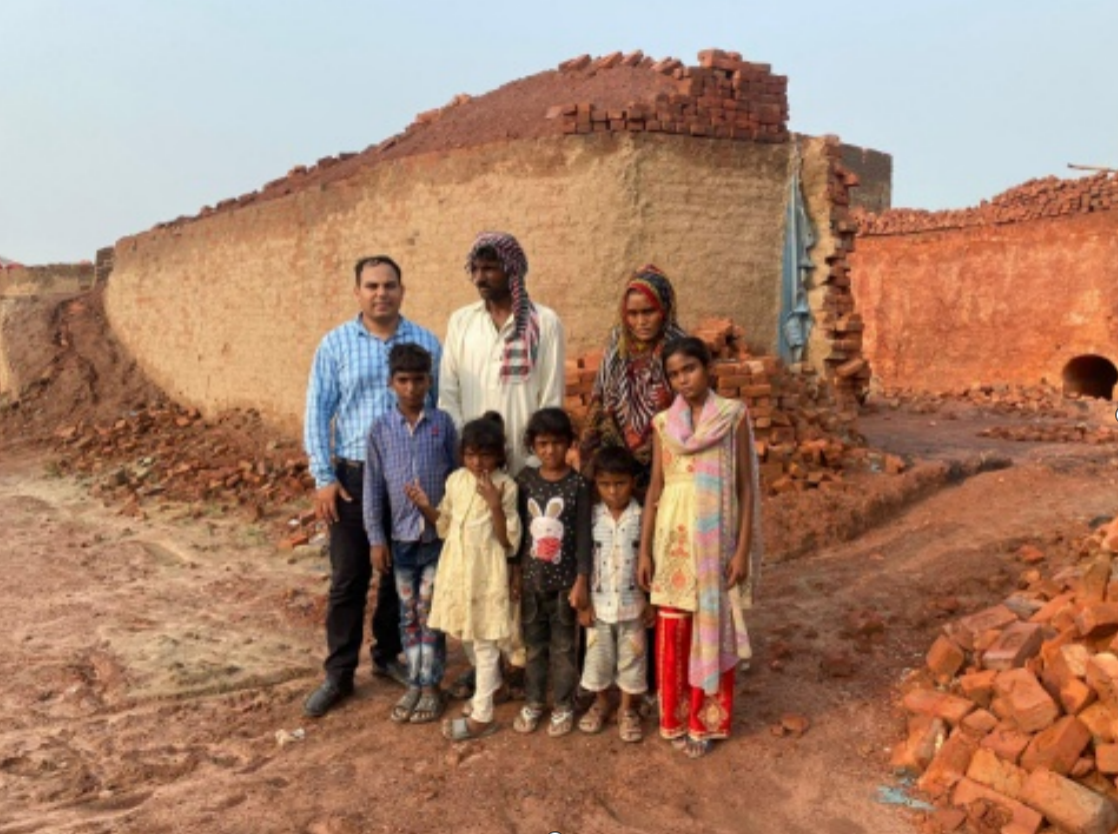
In many parts of Pakistan, countless families continue to live and work in brick kilns under systems of debt bondage. Generation after generation, families inherit crushing debt that keeps them trapped in exhausting labor with little opportunity for education, financial stability, or freedom. For many, survival becomes the only goal.
But through the work of Glee Ministry and the Brick Kiln Freedom Mission Project, lives are beginning to change.
At the heart of the ministry is a desire to share the hope of Christ while walking alongside vulnerable families in practical and life-changing ways. The vision is not only to meet immediate physical needs, but also to help individuals and families experience lasting spiritual, emotional, and economic transformation.
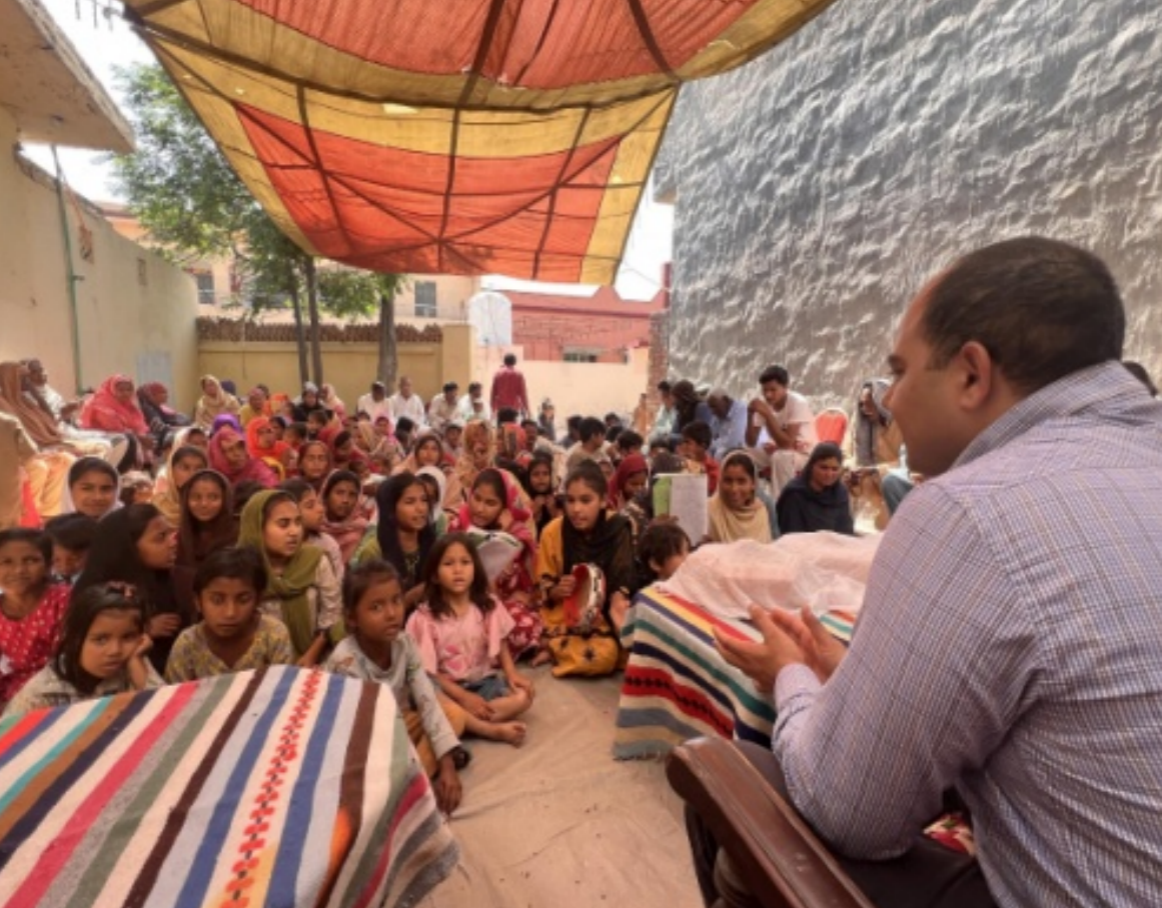
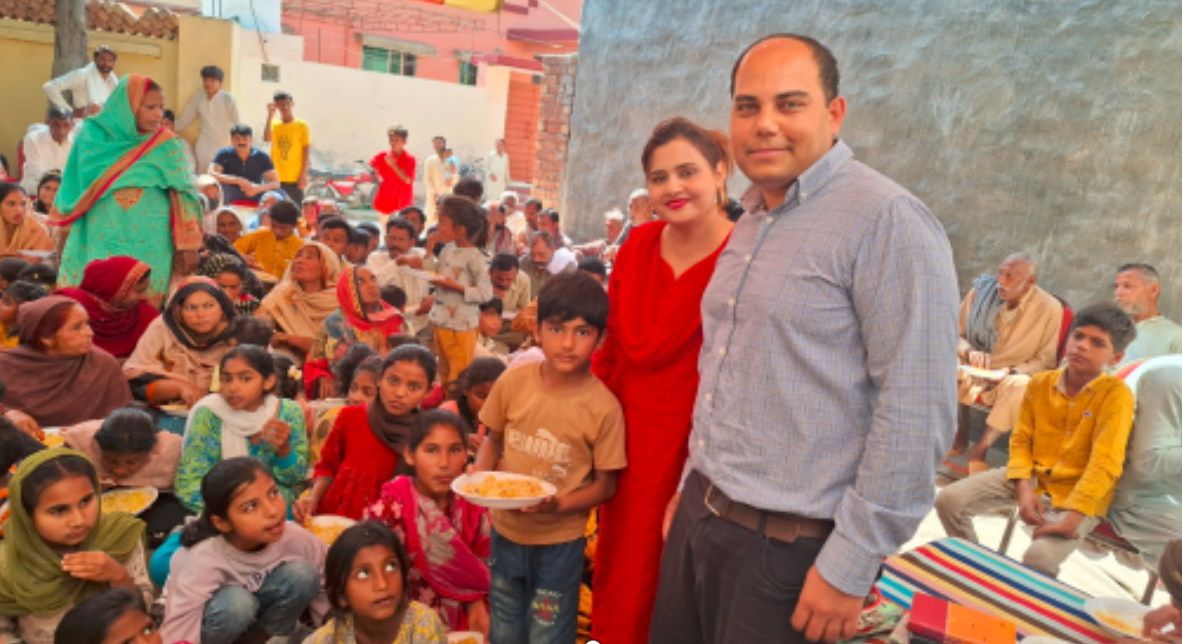
The ministry reaches into brick kiln communities to support rescued families as they begin rebuilding their lives. Food assistance is provided to help meet urgent needs, while prayer gatherings and worship create spaces where families can encounter hope, encouragement, and Christian fellowship. Children are given opportunities for education that many have never had before, and women are equipped with sewing skills that allow them to contribute financially and build confidence for the future.
For families emerging from bondage, freedom is only the beginning of the journey.
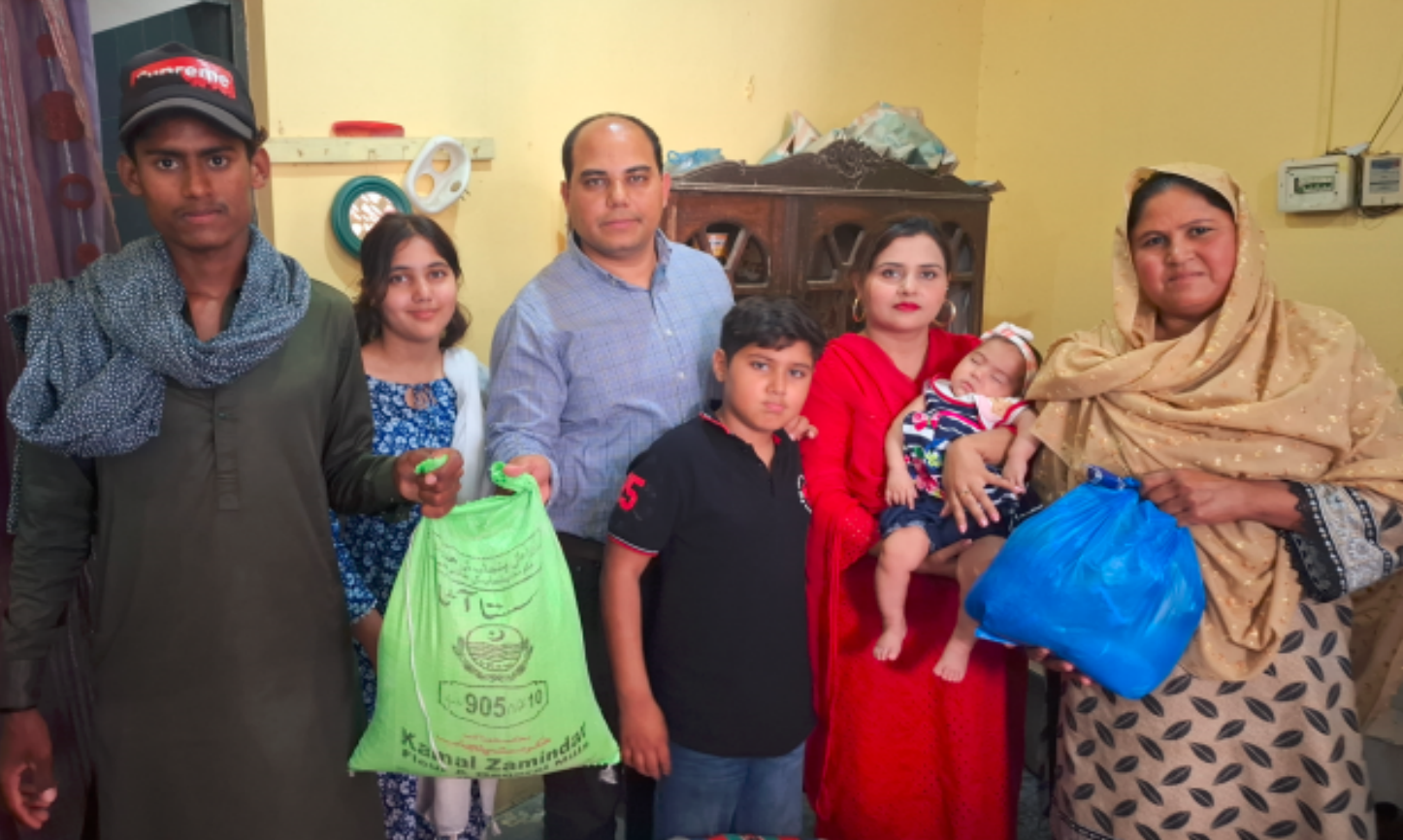
Many have spent years with no access to education, vocational training, or stable income opportunities. Glee Ministry seeks to help bridge that gap by providing practical skills and opportunities that restore dignity and independence. Through tailoring programs and small business support, young people and adults alike are discovering that a different future is possible.
One story that beautifully reflects this transformation is that of a young boy whose family was rescued from a brick kiln. After their rescue, he received a Juki sewing machine and began learning tailoring skills. Through hard work and determination, he started earning income to help support his family, especially after the loss of his father following a long illness.
But his story did not end there.
Today, he is teaching other boys and girls in his community how to sew and develop practical skills for themselves. What began as one opportunity for one family is now multiplying into hope for many others. His life is a reminder that restoration often begins with something small: a skill learned, a door opened, or someone willing to believe that change is possible.
Alongside vocational support, the ministry continues to encourage spiritual growth through discipleship, prayer, worship, and fellowship. Families are reminded that they are deeply loved by God and created with dignity and purpose. In communities where hopelessness has often defined daily life, the message of the Gospel brings lasting hope.
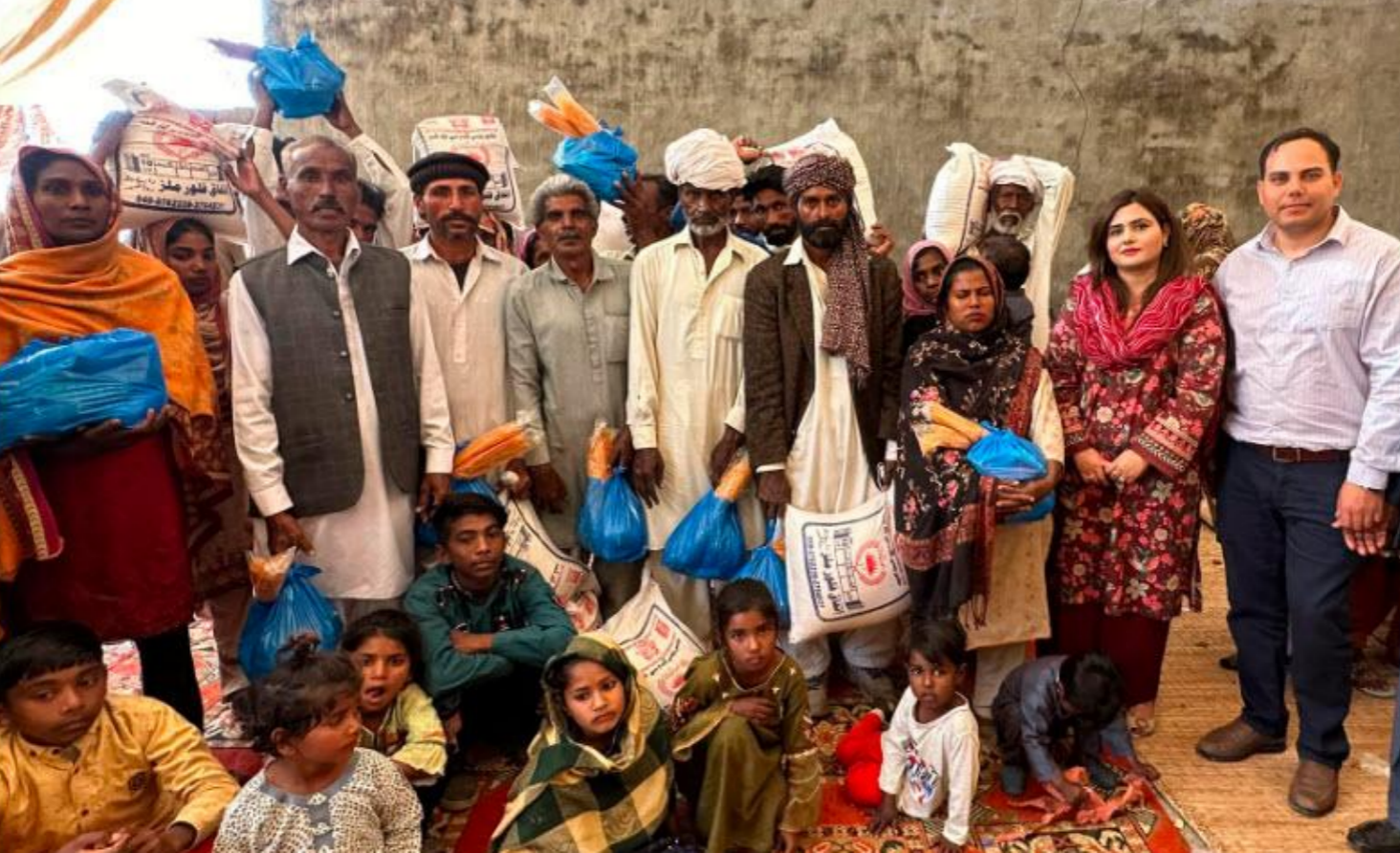
Looking ahead, Glee Ministry hopes to expand its skills training programs, provide additional sewing machines and equipment, and equip even more young people with sustainable income-generating opportunities. There are still many families waiting for freedom, support, and the chance to rebuild their lives.
The work continues one family, one skill, and one transformed life at a time.
Through prayer, encouragement, and partnership, more stories of freedom and restoration can become reality.

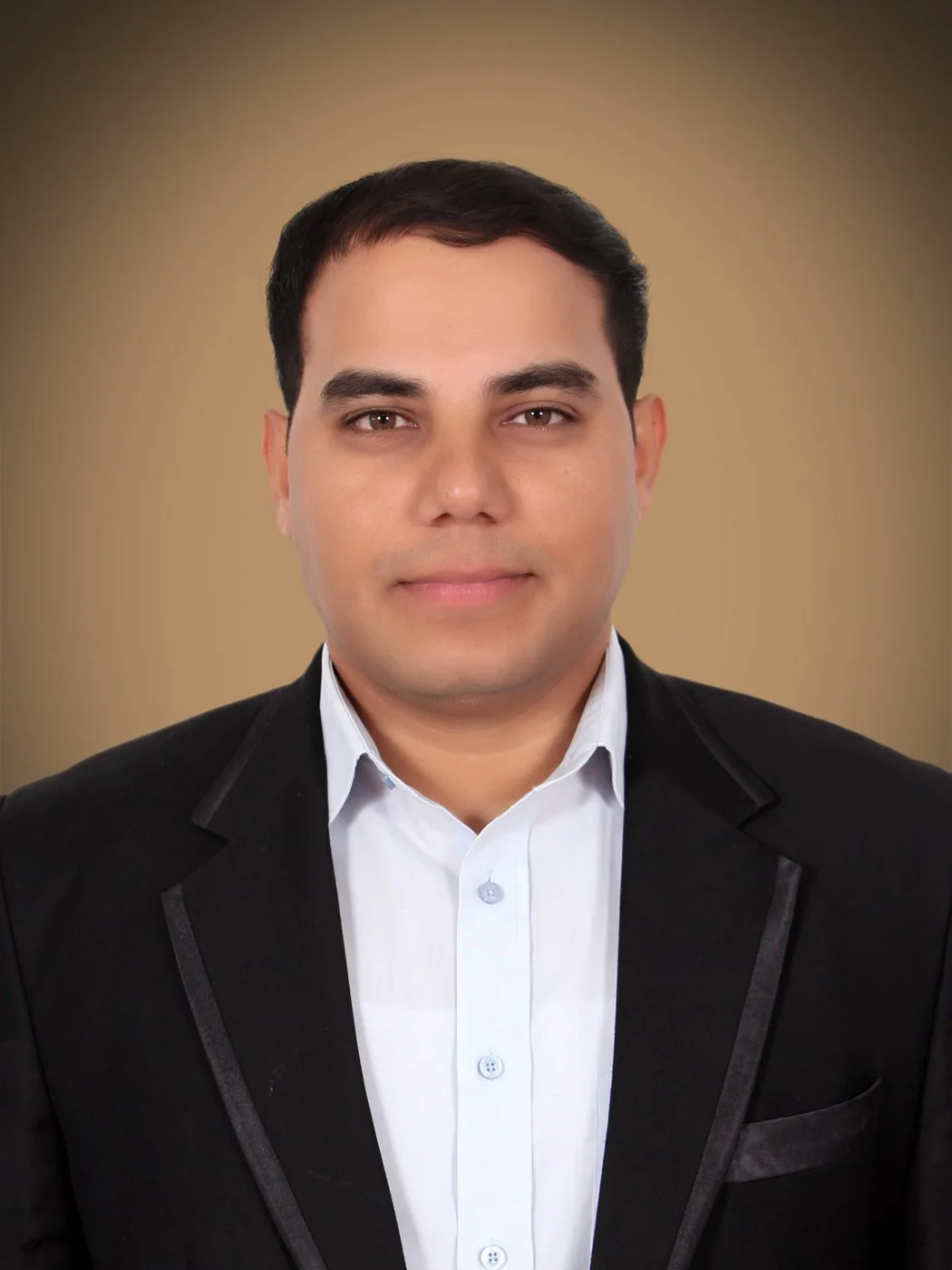
Sharoon Sarfraz
Sharoon Sarfraz has been leading the mission of Glee Ministries in Pakistan as an Executive Director, primarily working among unreached, enslaved Christian families. He along with his wife – Saba are sharing the Good News of the Gospel, distributing food among needy families, paying the debts of bonded families and giving them business opportunities to secure their long-term freedom. He is based in Islamabad – Pakistan. He is married to Saba Gill and they have two daughters ‘Simone’ , Siona and a Son ‘Steven’.