Anglican Creation Care Network: And God Said, “Let the Waters Swarm…” Genesis 1:20
On February 09, 2026, ACCN members gathered on Zoom as a sign of the growing ACCN community and shared commitment to faith-informed environmental stewardship.
Our featured speaker, John DeFazio of Grace Anglican Church in Fleming Island, Florida, delivered a powerful and deeply engaging presentation titled “Let the Waters Swarm…” Drawing from Genesis 1:20, John reflected on the meaning of the word “swarm.” Rather than suggesting a slow increase, the word conveys abundance, life overflowing by God’s intentional design.
As a semi-retired wildlife biologist with decades of field experience, John seamlessly integrated Scripture with ecological science. He guided us from the sunlit ocean surface to the crushing depths of the Mariana Trench, nearly 11,000 meters below sea level, where pressure reaches eight tons per square inch. Even there, in freezing darkness, life thrives.
He described extraordinary deep-sea adaptations, bioluminescent organisms that create their own light, antifreeze proteins that prevent ice formation, gel-like body structures that withstand crushing pressure, and specialized molecules such as TMAO that protect cellular integrity. These intricate designs, he noted, point to both complexity and intentionality within creation.
John also explored the remarkable world of pelagic seabirds, which spend most of their lives over open water. These birds sleep by shutting down half their brain at a time, desalinate seawater through specialized salt glands, and use extraordinary olfactory systems to locate food across vast oceans. Only three percent of bird species live this way, a striking example of ecological balance.
The presentation then turned to whales. From the blue whales, the largest animal ever to live on Earth, to humpbacks that practice bubble-net feeding, He illustrated breathtaking design and intelligence within marine life. He shared how humpback whales create vortex bubble rings, possibly as a form of communication, and how they have been observed protecting other species from orcas. Orcas themselves, he explained, display distinct pod languages, hunting cultures, and remarkable social intelligence.
He also highlighted cooperative dolphins in South America that work with fishermen, signaling when to cast their nets, a rare and fascinating example of interspecies cooperation.
Yet amid this beauty, he offered sobering reminders. A plastic bag has been documented in the Mariana Trench. Sea turtles mistake floating plastic for jellyfish. Hawksbill turtles — essential to coral reef health, remain threatened by illegal shell trade. Even the deepest parts of the ocean bear marks of human neglect.
Returning to Genesis, John reminded us that sea creatures and birds were created before humanity. When God granted dominion, it was not ownership but stewardship. In biblical terms, a steward manages what belongs to another. As image-bearers of God, we are called to reflect His care, responsibility, and wisdom toward creation.
He concluded with a powerful reflection, we cannot protect what we do not know.
The February 9th ACCN gathering left participants with renewed awe for the abundance of God’s creation and a clearer understanding of our sacred responsibility within it. The air we breathe, the water we drink, and the soil beneath our feet are not merely resources; they are gifts entrusted to our care.
We are deeply grateful to John DeFazio for sharing both scientific insight and spiritual conviction, reminding us that faithful stewardship is both a professional calling and a sacred trust.
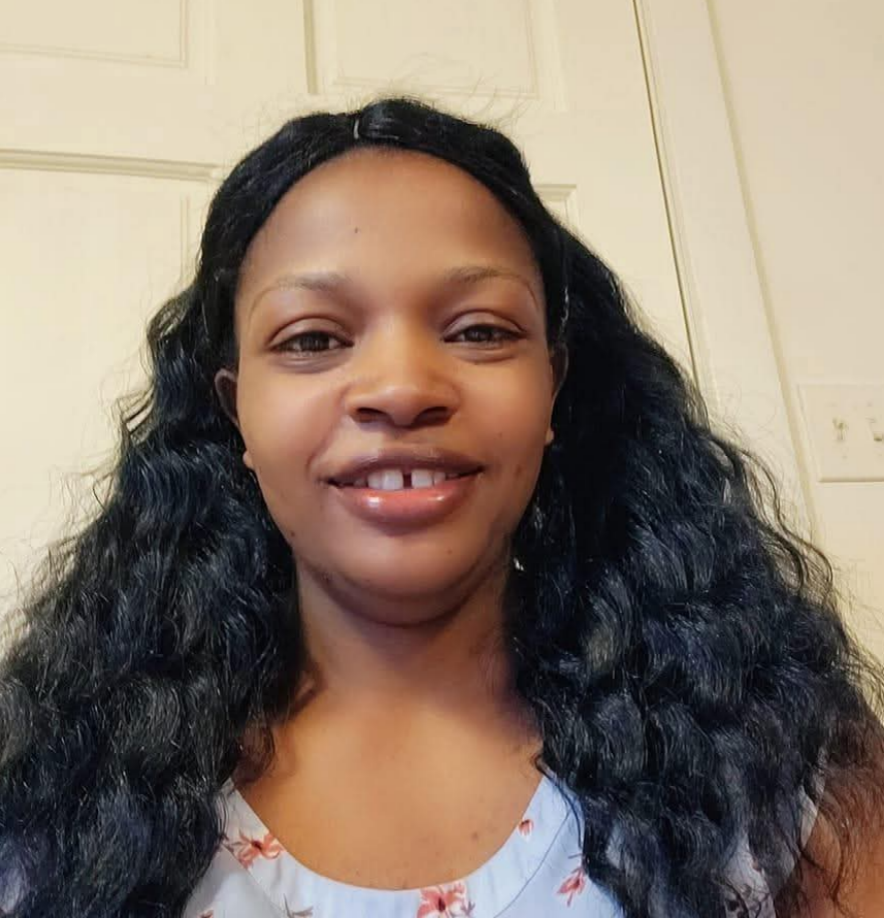
Phionah Atukunda, MPH, CHES
Phionah is a Certified Health Education Specialist with a master’s in public health education. She has over ten years of experience in public health and healthcare across developing countries and the U.S., with a strong focus on advancing health equity, strengthening community engagement, and implementing evidence-based strategies to improve population health outcomes.
She serves as a Wellness Coordinator with Home Watch Caregivers of Austin, where she supports older adults and families through individualized care coordination, preventive health promotion, and connection to essential community resources.
Phionah also serve as the Volunteer Programs and Outreach Coordinator with Spend Yourselves L.L.C., contributing to global health research (including work on Nodding Syndrome in Gulu, Uganda), managing digital communications and donor engagement for partners such as the Anglican Creation Care Network and the Society of Anglican Missionaries and Senders, supporting monitoring and grant development for agricultural livelihood initiatives in Sudan, coordinating international veterinary trainings, and advancing community-based environmental stewardship efforts in collaboration with the Valley Keepers Network.