The Defiant Growth of the Church in Sudan’s Nuba Mountains
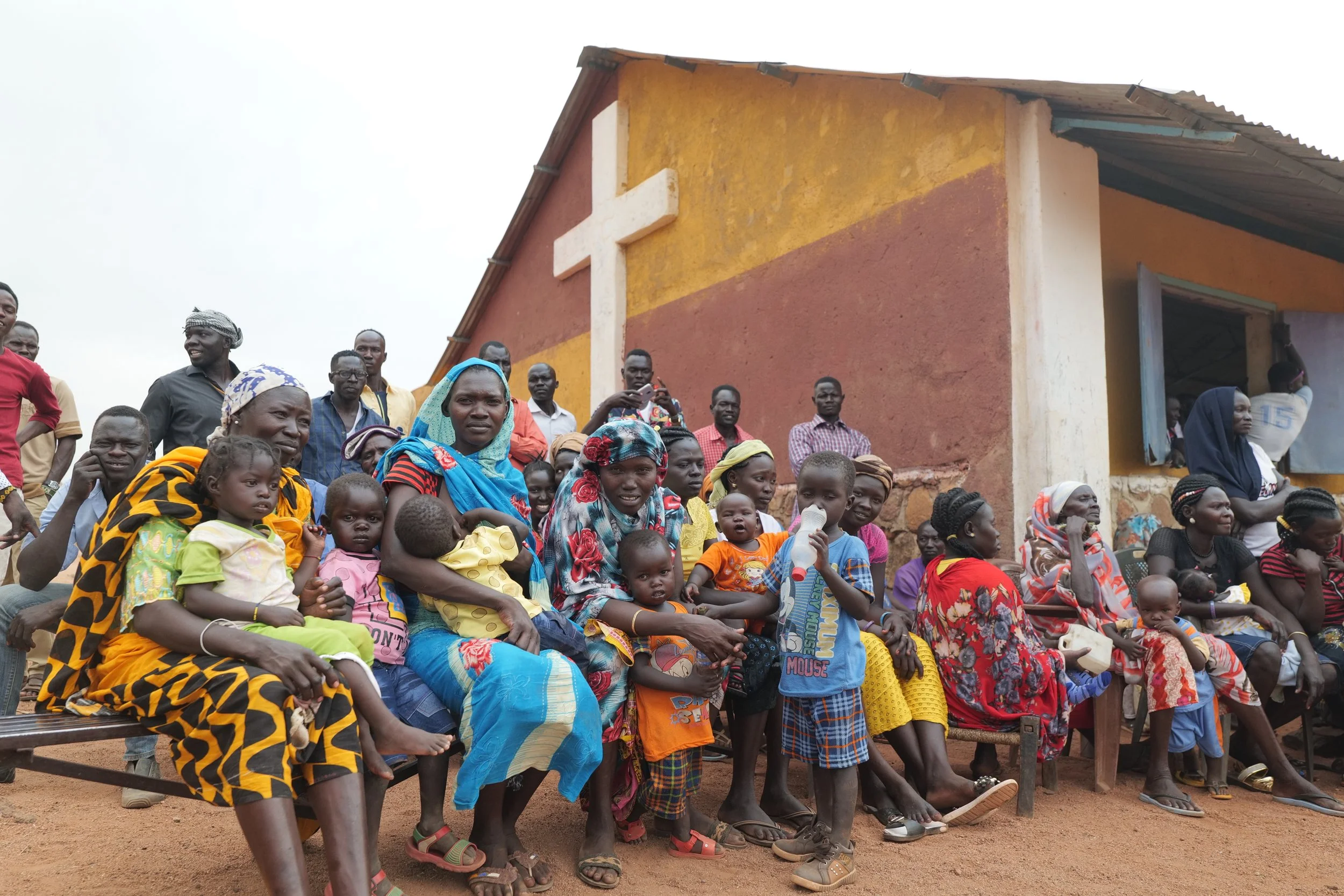
This February, I visited the Nuba Mountains of Sudan for the first time as a staff member of Sudan Church Partners. This was an incredibly encouraging, while not entirely undangerous opportunity. But as I ventured with my local partners across the rough terrain to visit various churches and ministry projects, it was abundantly clear to me that the church is growing faster than I could imagine in this remote and difficult to access region.
The Nuba Mountains have been under attack for as long as anyone can remember and as long as history reports. Up to today, Khartoum continues to seek the full submission of the Nuba people under their vision of central Islamist control, although thankfully these days without much success, as they are currently dealing with enough problems elsewhere.
When South Sudan split off in 2011, taking the majority of Sudan’s Christian population with them, Khartoum immediately jumped into action to solidify their power over contested regions like the Nuba Mountains. The Nuba region had the largest remaining Christian population, and was known for maintaining strong connections to the South. The government felt the need to act quickly and, after a failed ground invasion, started a bombing campaign which terrorized the people of the region for over a decade. The goal was to target all Nuba people, military or civilian, men, women, and children. Nobody was spared from a decade of horrific and intentional war crimes.
Eventually, they were distracted with other issues, including the overthrow of al-Bashir’s criminal administration, a short-lived attempt at civilian rule, and finally, since 2023, a horrific civil war which has practically burnt the whole country to the ground. These events elsewhere provided some relief to the Nuba region, which has now ironically become a safe harbor for refugees from outside, even welcoming people into the region who were previously on opposing sides of the war.
It was not unusual on my trip for new friends to point me to where they and their families survived the bombings. Taking shelter in caves, people fled to places more difficult to target for Antonov planes dropping barrel bombs out the back. On one visit, I hiked up to the local caves and saw where some had made makeshift dwellings in the past. Seeing this and talking with people who spent a decade living a reality of shelter amongst snakes and other wild animals, what stood out to me was the defiant sense of joy and faith. These people who had every right to be traumatized and shell shocked by what they had experienced, were nonetheless eager and ready to build a better future, and many are confident that the Lord will help them do it.
While there are still bombing attacks or drone strikes from time to time, the ongoing onslaught has stopped. As the dust settled, a shocking truth was revealed. The government’s attempt not only did not succeed, but it led to counterintuitive results. The Nuba people are more defiant and independent than ever!
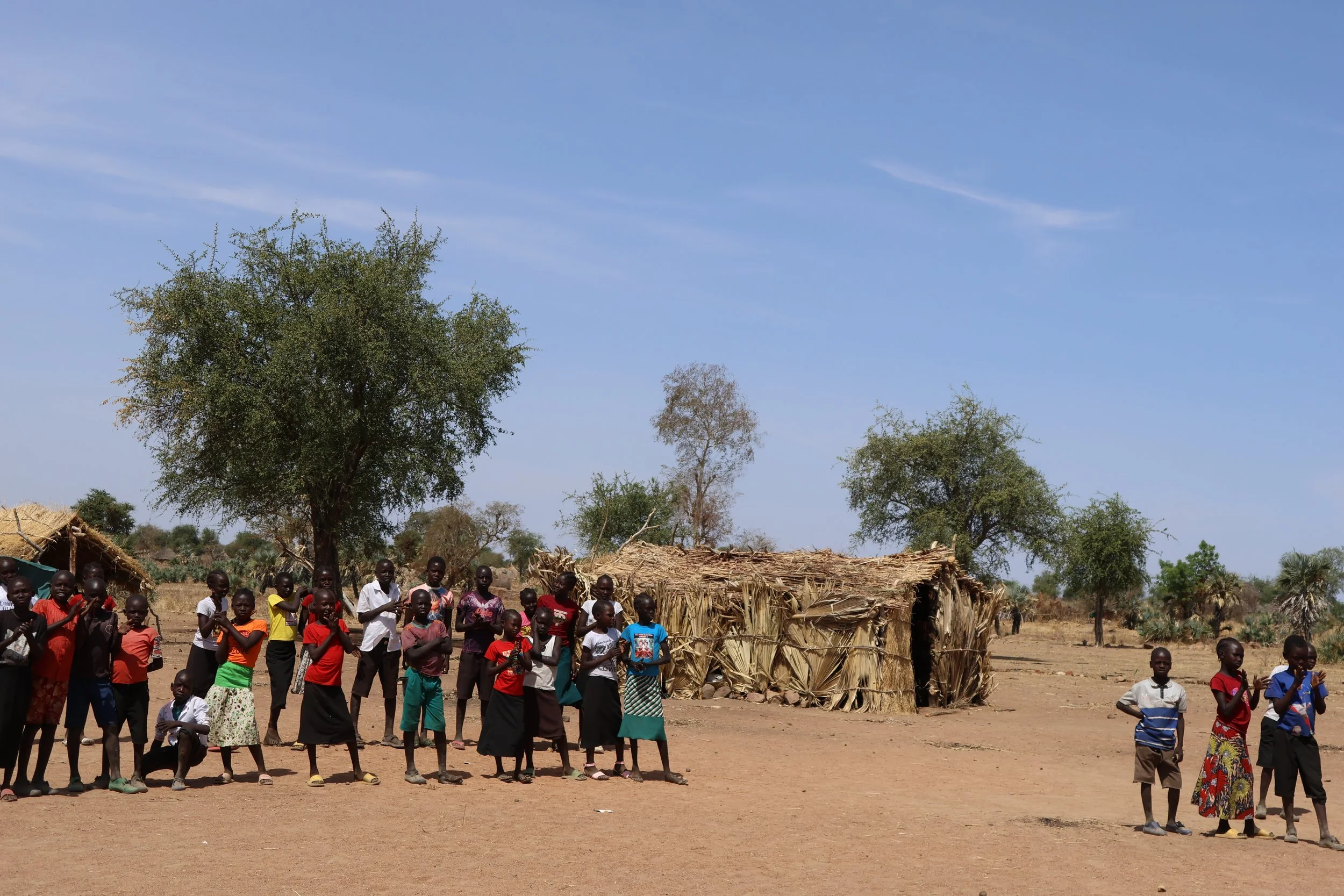
I had the pleasure of visiting a church-led primary school, with classrooms out of sticks and straw, but teeming with more children than I could count. My group was greeted with a children’s choir and one song stood out to me:
“My fellow Sudanese, my fellow Sudanese, I will never surrender, I am an original Nuba.” This song, delivered almost like a fight song at the beginning of a sports match, embodied the spirit of the people I met. They have been in Sudan for thousands of years, long before the Arabs came, and they have survived centuries of attempts to subjugate or eliminate their identity. They have not been defeated yet and they are not going anywhere.
But along with this defiant spirit of the people, the dust settling revealed another startling fact. The church has not only survived the government campaigns, but has come out the other side larger and stronger than ever. For decades, it was the church who stayed to support the people. Even as countless Western NGOs and other organizations left, the church continued to fight for the people of the region and support them in their time of need. Instead of leaving people behind, Christian leaders worked hard to provide support. And so decades of imposed sharia law, civil war, and intentional persecution have done nothing but further drive the people into the arms of the Christian churches and ultimately into the arms of Jesus Christ.
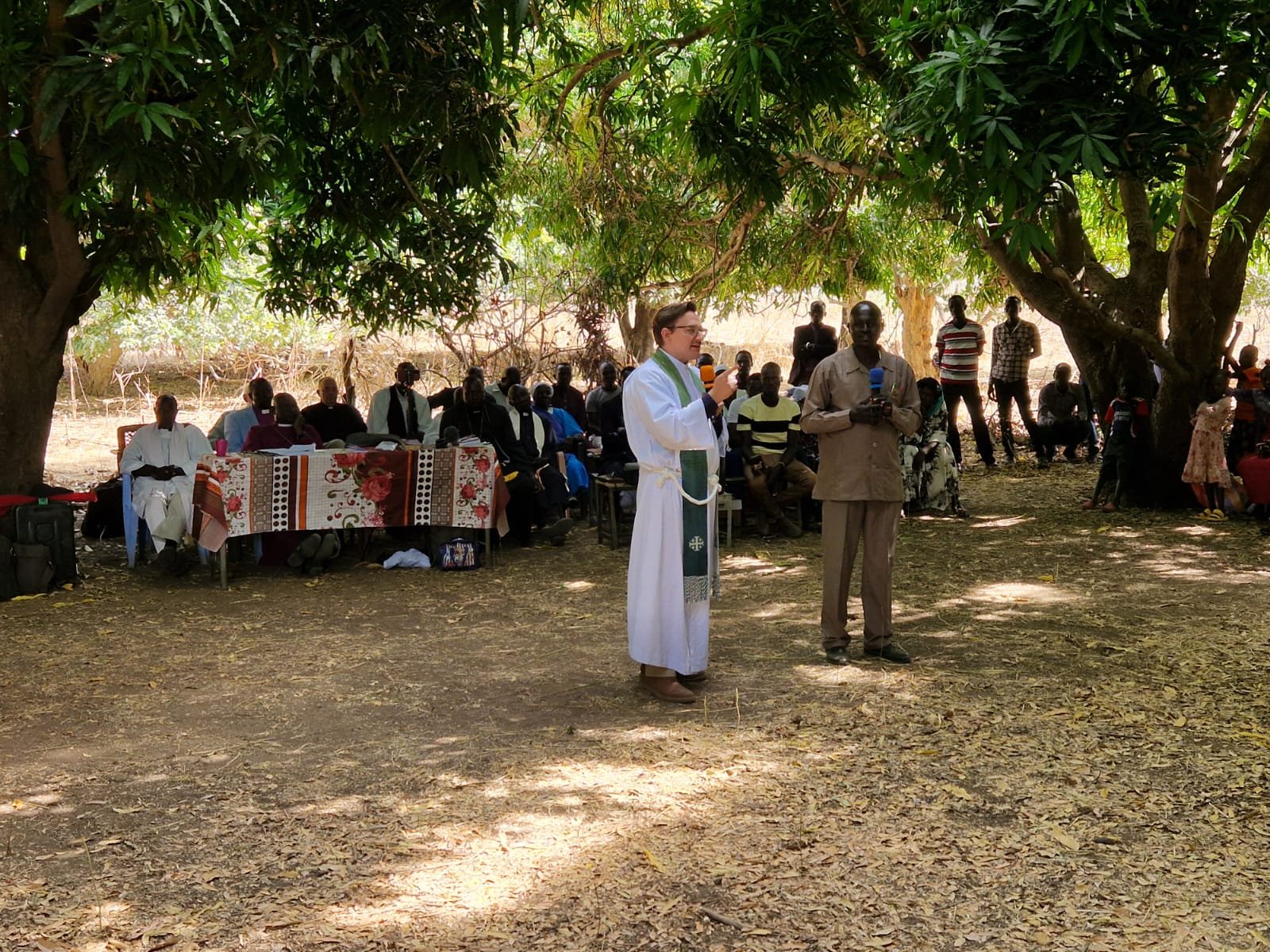
As I traveled throughout various areas, I saw people dressed in a variety of fashions, including stereotypically Arab clothing. I even saw the beautiful tower of a gorgeous mosque which outshined any Christian building I had seen around. But as I spoke to people and attended Christian services, two things stood out. Many of those people might dress like Arabs but they are attending Christian churches, even if the worship is under trees or in makeshift buildings. Meanwhile the mosques are mostly empty and new churches are being started at a pace that can barely be tracked. Church leaders could hardly give you accurate numbers, because by the time they checked, more congregations had been formed and more people presented for baptism and confirmation.
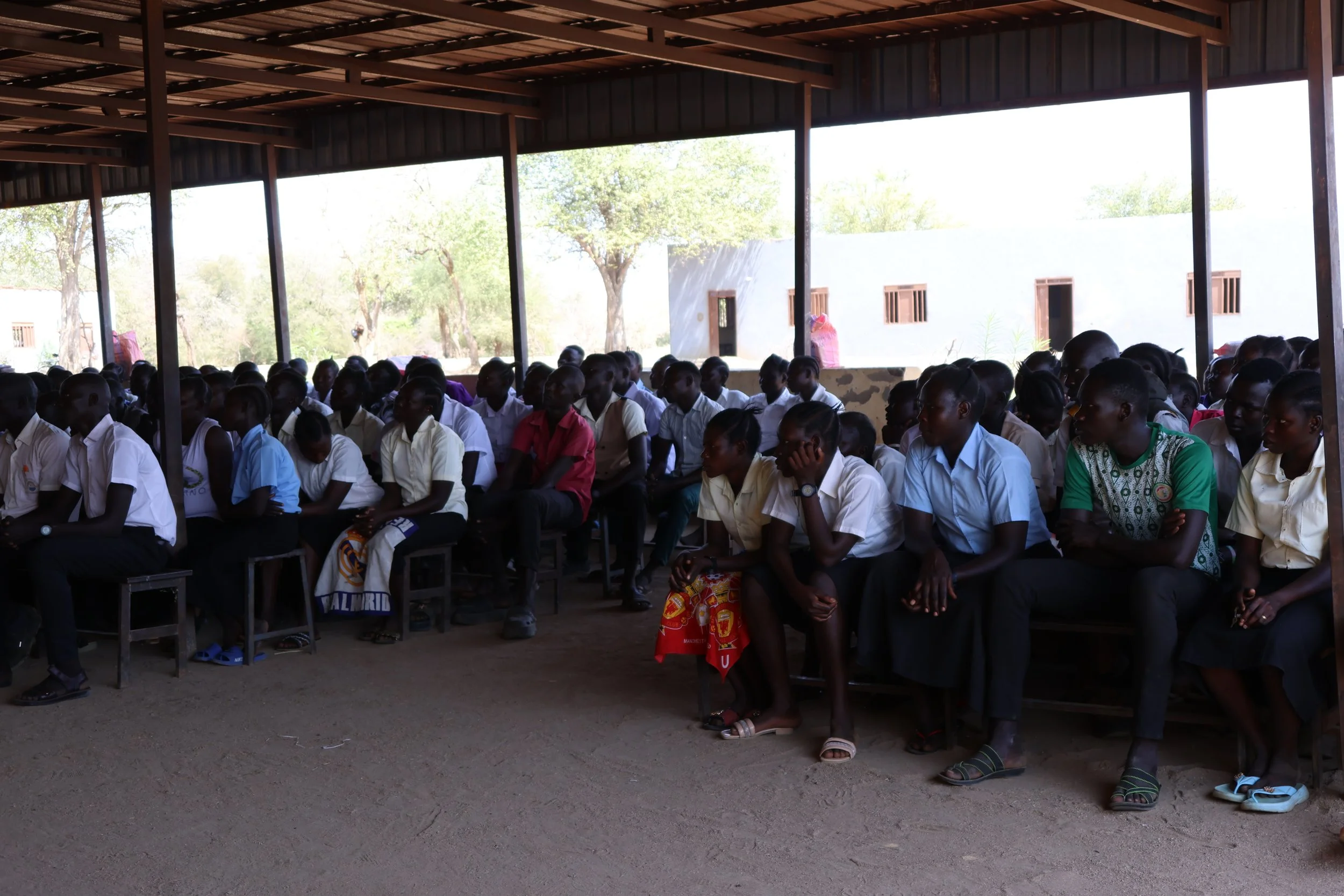
Recently, our primary partner, Bishop Andudu Adam Elnail of the Diocese of Kadugli & Nuba Mountains was invited to lead a peace workshop. This workshop was a little different than the normal workshops he had led with conflicting tribes in the past. This one was organized by local leaders and was intentional to invite groups who were previously sworn enemies of the Nuba peoples. These were Arab and devoutly Muslim groups who had spent over a century fighting and even enslaving Nuba peoples to sell into the Middle East. Now, they have turned against the Khartoum government and sought refuge and alliances amongst some of their old enemies in the Nuba Mountains. The workshop was originally designed for a few dozen leaders, allowing for thoughtful, in-depth discussion. Instead, it drew overwhelming crowds, transforming the gathering into something more like a large conference. Although Andudu welcomed the opportunity, he couldn’t ignore a sense of unease as he looked out over so many people he had spent his life viewing as dangerous enemies. What happened next surprised him. The leaders urged him to return and spend more time with them. Though the event centered on peace, their interest went further—they asked him to come back and explain the Christian message. Having experienced genuine care and concern from Christians, they now wanted to understand what Christians believe.
God is moving in remarkable ways among the people of the Nuba Mountains. Even so, many tribal groups and regions remain unreached. As the church continues to grow, our organization senses a clear call to come alongside and strengthen these efforts.
Sudan Church Partners exists to bolster the Anglican churches in Sudan, starting with the Nuba Mountains, and we see our mission precisely in equipping the formation of Christ-centered leaders for this growing and rapidly expanding church. Growth in numbers seems to be easy, even for an incredibly under-resourced and impoverished region like the Nuba Mountains. We exist to resource and equip the Anglican church there, helping them steward this growth by creating meaningful opportunities for discipleship and developing strong, faithful leaders. We believe this investment will sustain their impact for generations to come, even amid the many uncertainties surrounding Sudan’s political future. We cannot know how many buildings will still stand in the decades ahead. But if the church is strengthened in the lives of those who worship and lead, its legacy will endure—regardless of how this seemingly unending war unfolds.
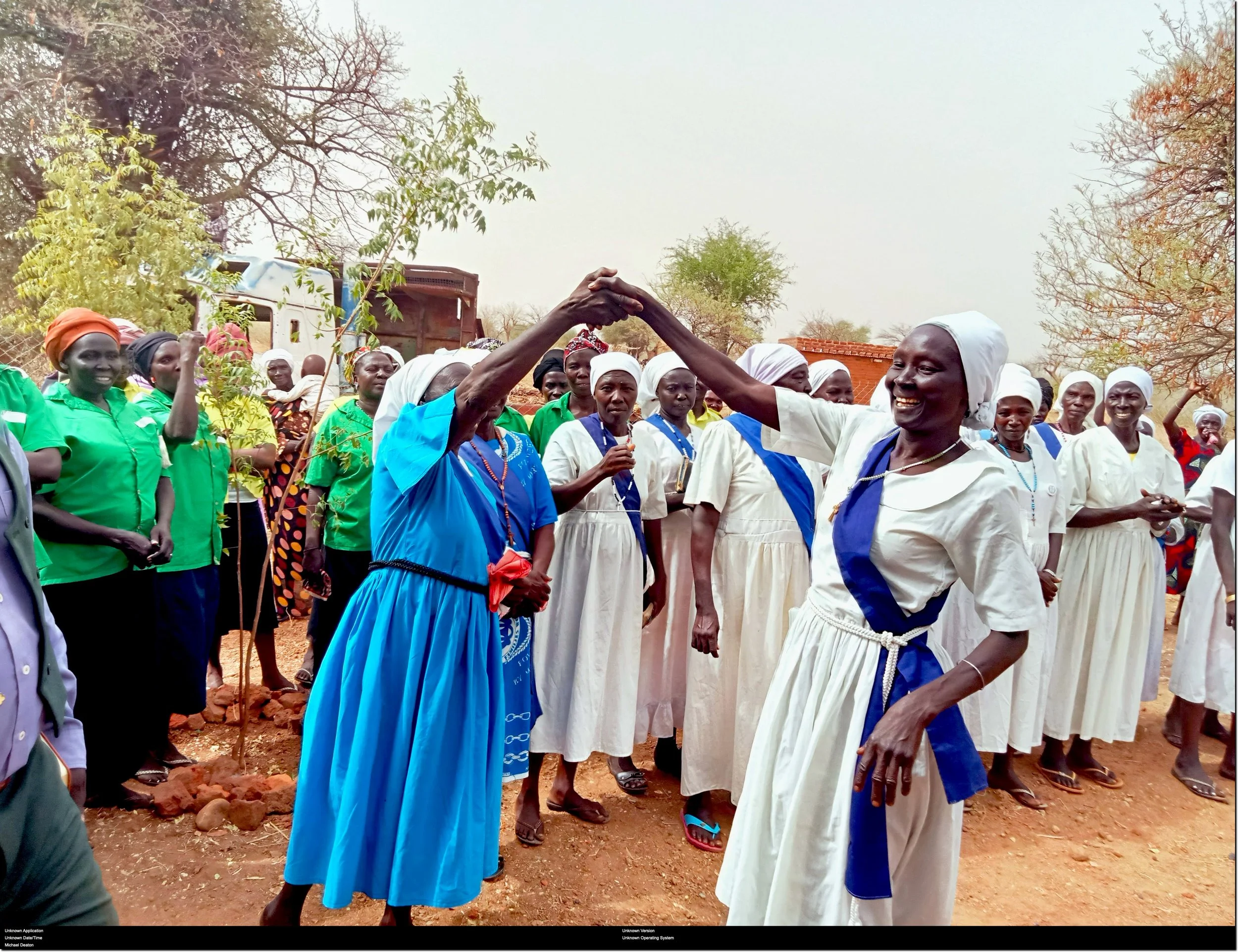
We equip the formation of Christ-centered leaders by supporting a range of initiatives developed in partnership with local leaders. Our current work includes funding Grace Secondary School—the only school of its kind in the region—as well as supporting diocesan staff, making it possible to recruit and retain well-educated leaders who can bring their skills back to serve both the church and the wider community. We also invest in key ministries such as the evangelism and discipleship department, the Mother’s Union, and the Anglican church’s efforts to lead peace workshops that bring together tribal leaders seeking reconciliation amid ongoing local conflicts. Looking ahead, we hope to expand these efforts by creating additional leadership development opportunities, including college scholarships that enable students to study at strong institutions in neighboring countries and return equipped to lead the church and region into a stronger future.
Please join us in prayer for our partners in Sudan and also feel free to check out sudanchurchpartners.org to learn more about Sudan Church Partners, including how to subscribe to our newsletter and support our work.
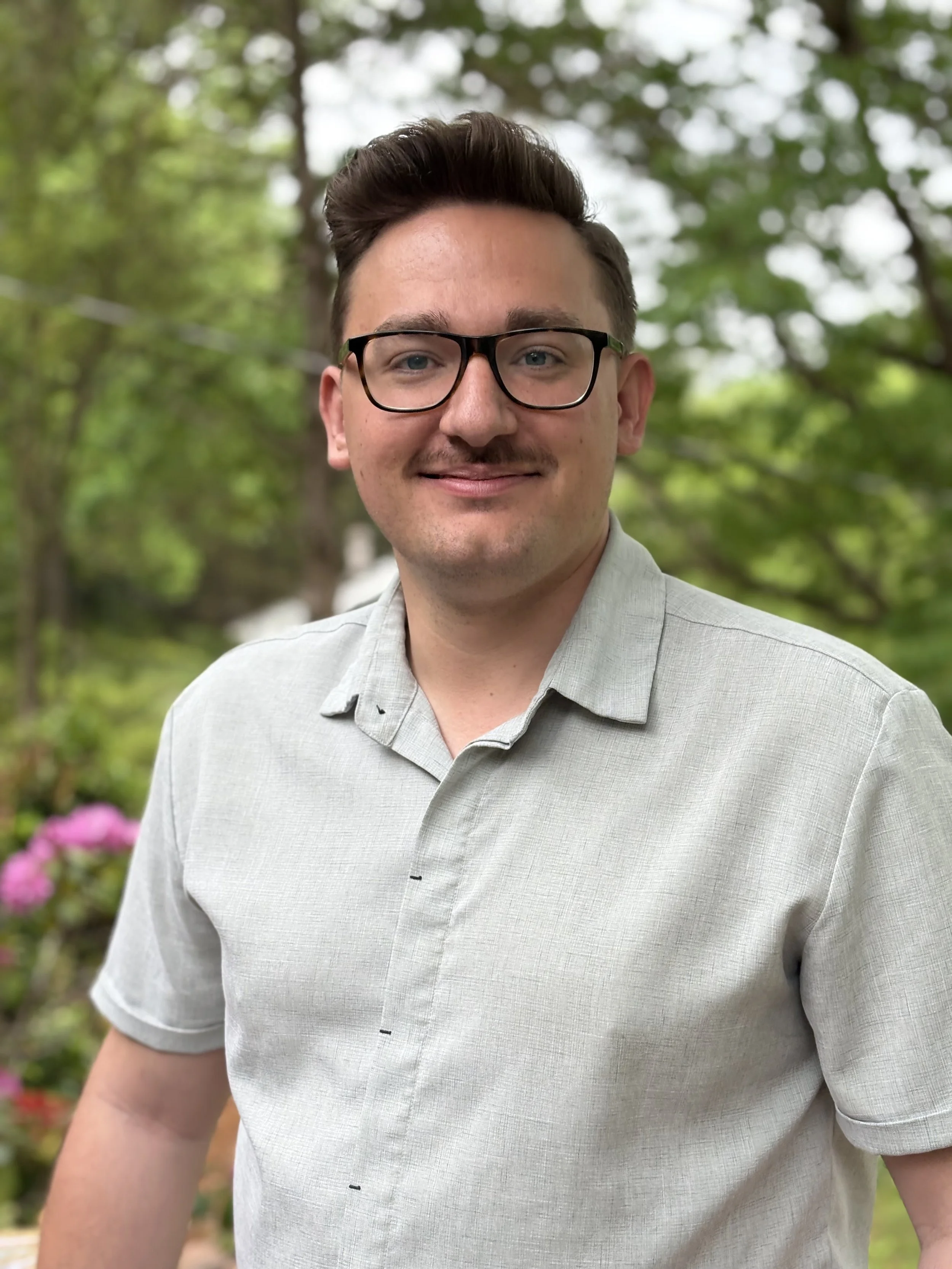
Rev. Jared Wensyel is Executive Director of Sudan Church Partners. He served as a missionary in Germany 2014-2020 before landing as a curate and then priest at Church of the Redeemer in Greensboro, NC where he served English, Arabic, and Swahili speaking congregations while also managing the church's partnership with the Anglican Diocese of Gahini in Rwanda. Throughout the last decade, Jared has discovered a passion for cross-cultural work and equipping people across language and cultural differences to walk with Christ and serve his church according to their unique gifts. In addition to his work as Executive Director of Sudan Church Partners, Jared continues to serve as a Priest in the Anglican Church, especially in support of Sudanese congregations within the ACNA. He and his wife Abbi are also Associate Missionaries with the Society of Anglican Missionaries and Senders (SAMS).